

Working groups
Innovation that transforms the present, technology that drives the future.

Through the Platform’s Strategic Research Agenda, the most relevant and urgent technological challenges for the sector are identified, analysed, and prioritised, with the aim of promoting the development of solutions through R&D&I.
This strategic approach not only allows for the optimisation of resources and the maximisation of research impact, but also fosters collaboration among companies, research centres, universities, and other key stakeholders.
In this way, competitiveness, digitalisation, and sustainability are promoted, ensuring that the fisheries and aquaculture sector is prepared to face future challenges and capitalise on the opportunities offered by technological development and innovation.

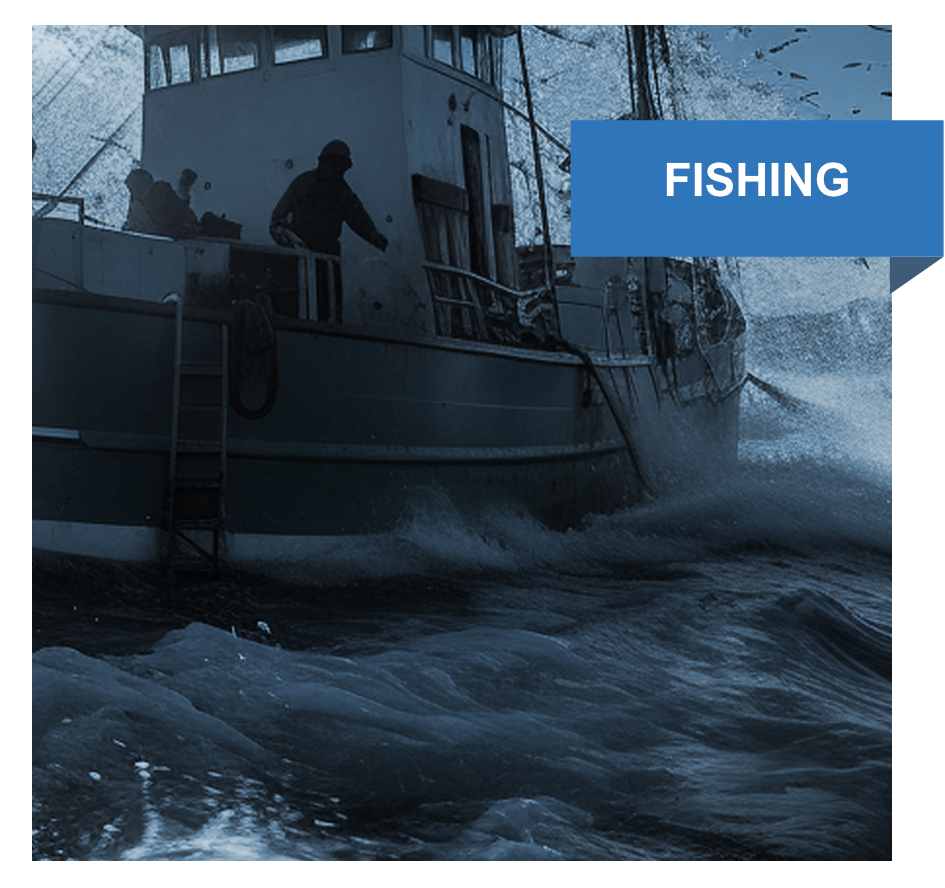
Some of the priority R&D&I lines defined:
-
Assessment of fishery resources: improvements in procedures and technologies for data collection and analysis.
-
Impact of climate change on fisheries.
-
Sustainability and environmental impact.
-
Development of more efficient and/or selective fishing gear.
-
Development of more efficient and sustainable fishing systems; optimisation of fishing processes.
-
Remote sensing for fishery forecasting.
-
Development of socio-economic indicators to support decision-making in fishery management.
-
Promotion of fisheries training, innovation in fisheries, and innovative training techniques.
-
Automation of onboard processes (sorting, cleaning, cutting).
-
Treatment of discards and by-products.
-
Refrigeration and other preservation techniques.
-
Improvement of efficiency in onboard electricity generation and consumption.
-
Occupational safety: monitoring services, accident prevention and analysis, telemedicine, and rescue.
-
Naval construction: systems to increase energy efficiency; analysis of the feasibility and adaptation of alternative fuels for fishing.
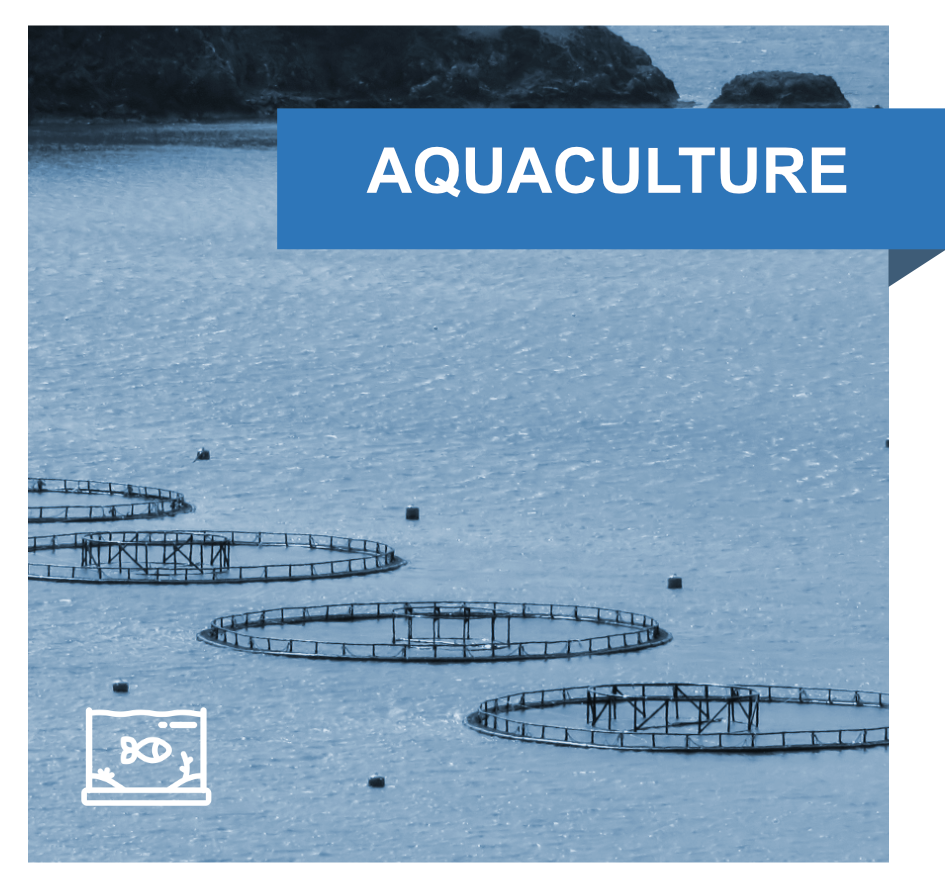
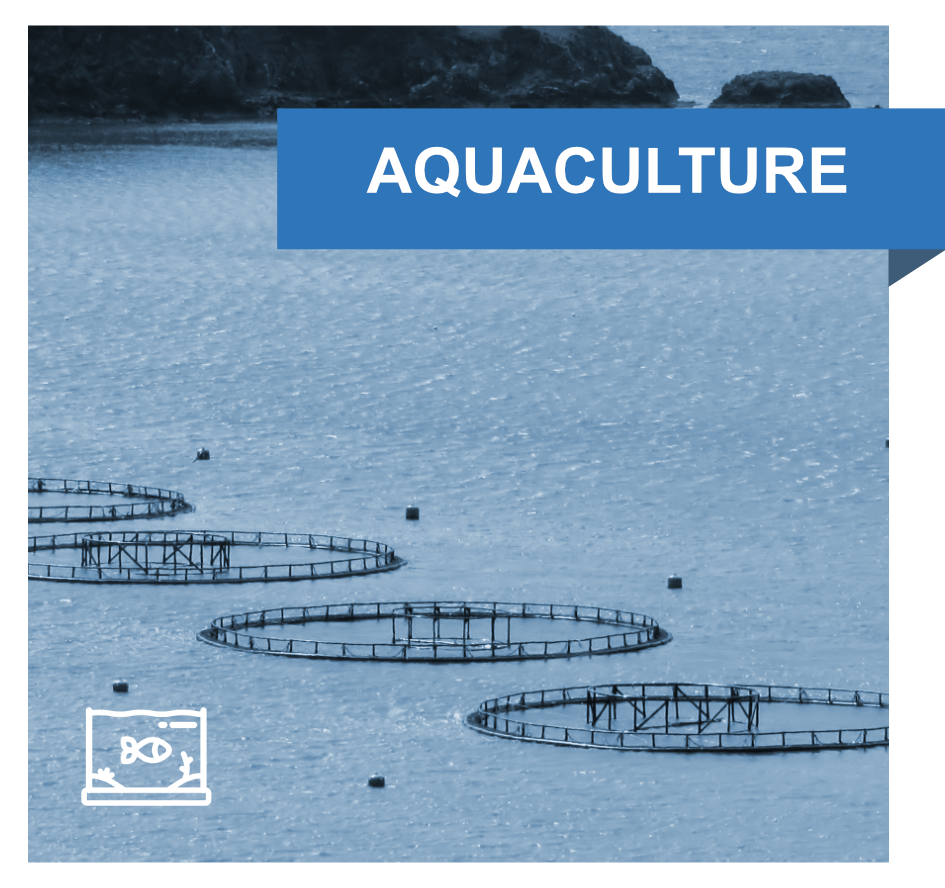
Some of the priority R&D&I lines defined:
-
Feed optimisation.
-
New feed ingredients: functional feeds.
-
Animal health and welfare: pathologies, sanitary control, epidemiological studies, and animal welfare indicators.
-
Genetics and physiology: selection of broodstock, genetic improvement, physiology of commercially relevant species.
-
Biomass estimation: mathematical growth models.
-
Offshore aquaculture: installations and mooring systems (materials, structures, nets, etc.); fishing and sorting systems.
-
Culture isolation: prevention of escapes and protection against predators.
-
Mollusc hatcheries.
-
Environmental effects of aquaculture: impact indicators, ecosystem services, and effects on biodiversity.
-
Waste management: sludge, effluents, and by-products.
-
New technologies for traceability and control of food quality and safety.
-
New processed products: revaluation, extended shelf-life, and utilisation of by-products.
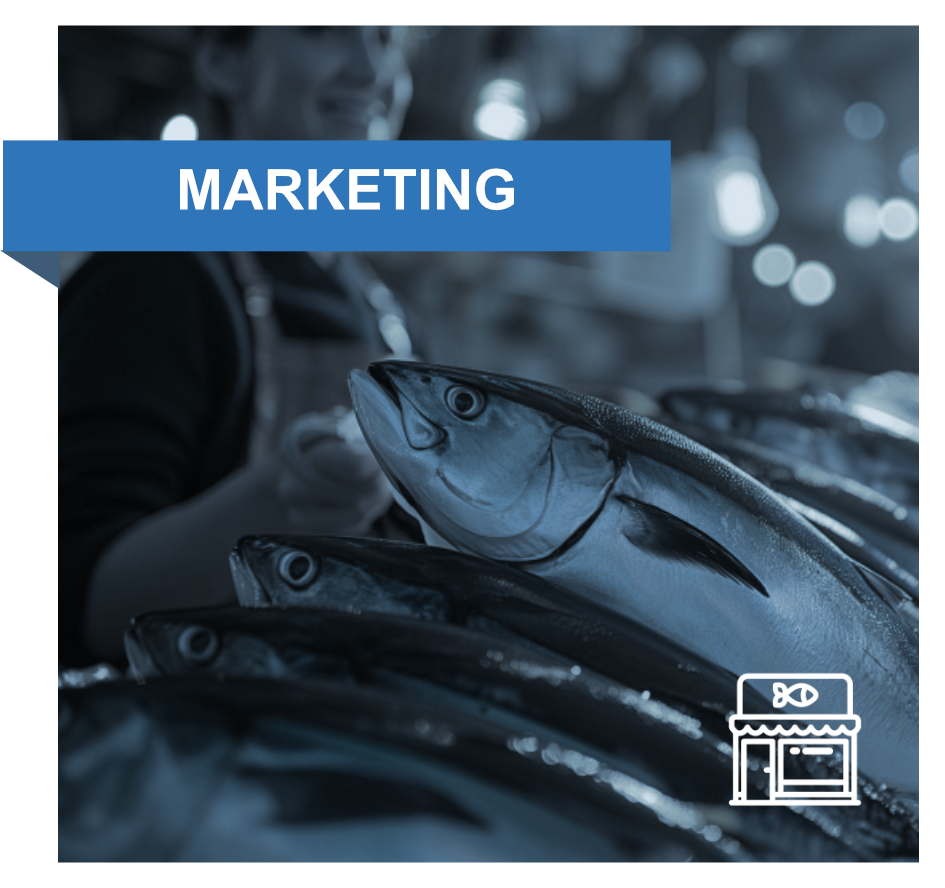
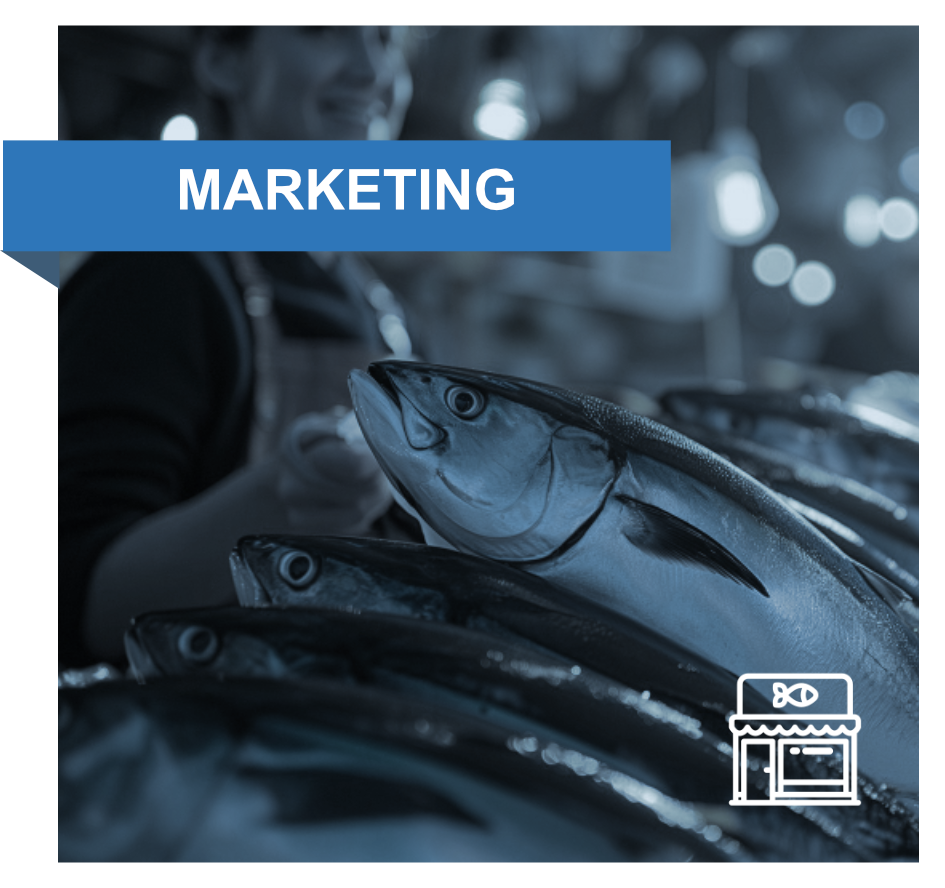
Some of the priority R&D&I lines defined:
-
Improvements in traceability: labelling, digitalisation, and secure electronic transmission systems; automation in traceability systems.
-
Consumer information: developments to enhance consumer information and combat food fraud.
-
New products and species, including those of low commercial value.
-
Innovation in traditional product presentation techniques.
-
Food quality and safety: new rapid product and process control technologies.
-
Logistics and distribution: energy optimisation in the cold chain, last-mile logistics, and new distribution methods.
-
Packaging: circularity of packaging, eco-design.
-
Environment: resource and process efficiency, energy efficiency.
-
Innovation in communication techniques.
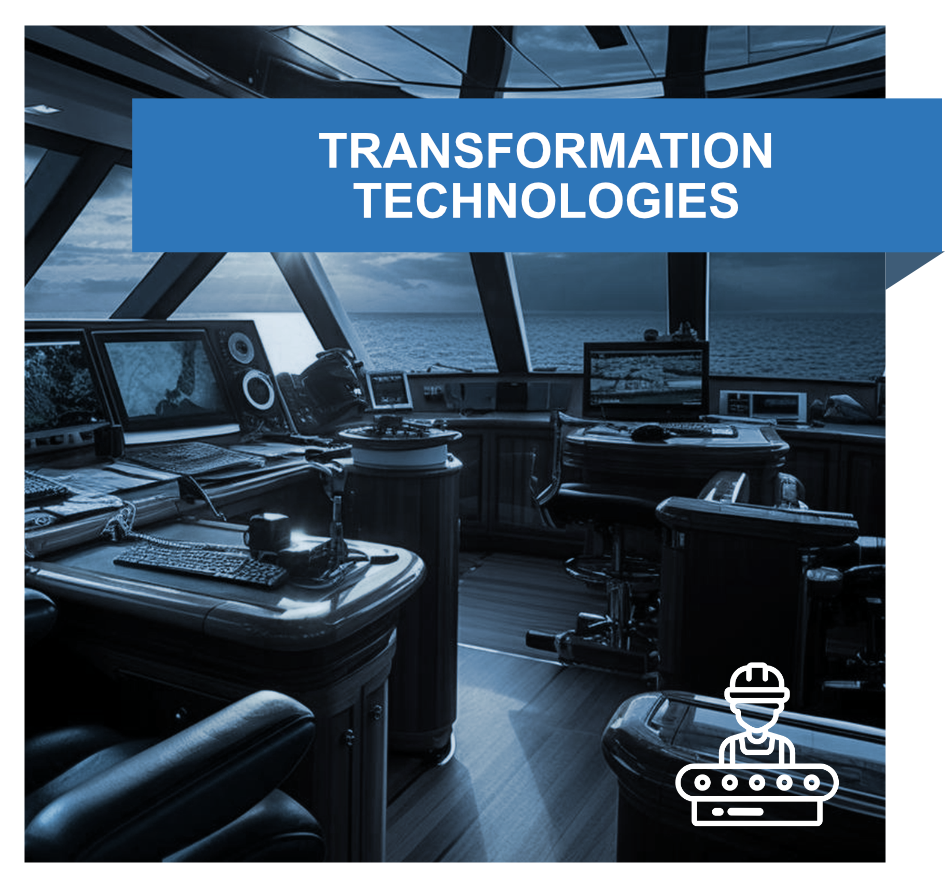
Some of the priority R&D&I lines defined:
-
Food safety: development of new systems, methods, or technologies for advanced pathogen detection; new systems or technologies for detoxification of biotoxins and other marine contaminants; development of new systems or technologies to extend product shelf life.
-
Quality and traceability: new technologies for quality control and characterisation of raw materials and products; new technologies for traceability.
-
Energy efficiency and process decarbonisation.
-
New systems or technologies for water resource management, conservation, and optimisation.
-
New products: development of new fisheries and aquaculture products adapted to emerging social trends and the specific needs of different population subgroups; utilisation of new species and raw materials (including by-products from fisheries and aquaculture) for new product development.
-
Scientific studies on diet–health interactions to highlight the health benefits of seafood products; protein quality and functional evaluation.
-
Towards Industry 4.0 and digitalisation: incorporation of technologies to enhance competitiveness in line with Industry 4.0, such as vision systems, sensors, IoT, digital twins, advanced and collaborative robotics, automation, and related technologies.
Socioeconomic quantification of fisheries exploitation and integration into all studies on the status of resources and exploitation models.
Conservation of marine and coastal ecosystems.
Fleet profitability study.
Genetic characterization of biodiversity.
Determination of the impact of aquaculture on the marine environment.
Valorization of discards and new species.
Innovation in more selective gear.
Measures to reduce the catch of sensitive species and bycatch.
Promotion of energy audits.
Design of efficient fishing gear and equipment adapted to the requirements of national fisheries and fishing grounds.
Automation of Fishing Processes.
Adaptation of fuel cells for marine use.
Innovation in more selective gear.
Measures to reduce the catch of sensitive species and bycatch.
Promotion of energy audits.
Design of efficient fishing gear and equipment adapted to the requirements of national fisheries and fishing grounds.
Automation of Fishing Processes.
Adaptation of fuel cells for marine use.
Processing of discards that currently have no fresh commercial value.
Improvements in species identification.
Processing of new species that currently have no fresh commercial value: Yield study of different species.
New formulations and presentations.
Use of by-products as an energy resource.
Processing of new raw materials that currently have no fresh commercial value.
Processing of discards that currently have no fresh commercial value.
Improvements in species identification.
Processing of new species that currently have no fresh commercial value: Yield study of different species.
New formulations and presentations.
Use of by-products as an energy resource.
Processing of new raw materials that currently have no fresh commercial value.